
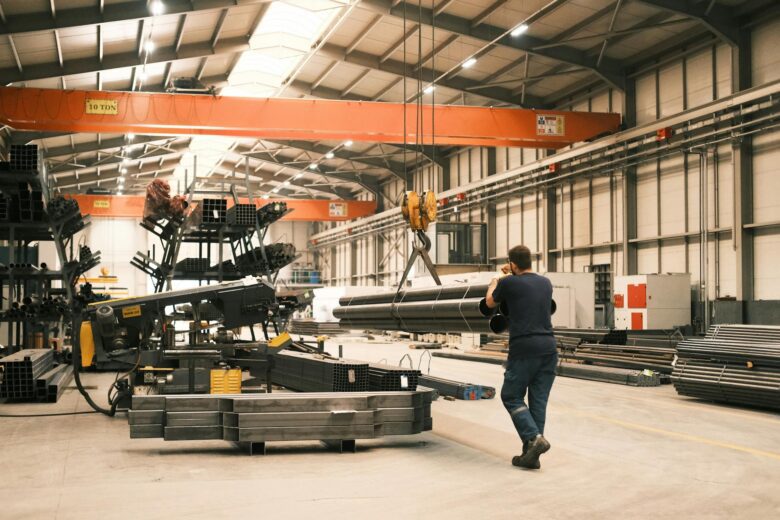
The industrial landscape across the United Kingdom and globally is defined by power, precision, and speed, all delivered through complex mechanical and automated processes. From large-scale manufacturing plants to highly specific workshops, machinery is the backbone of production and efficiency. However, with power comes risk, and the interaction between human operators and industrial equipment presents an inherent potential for harm. This fundamental reality underscores the absolute, non-negotiable importance of implementing comprehensive and effective machinery safety systems. These systems are not merely a regulatory burden or an optional add-on; they are foundational pillars of operational excellence, human protection, and economic sustainability.
The core function of machinery safety systems is, unequivocally, the preservation of human life and physical well-being. Injuries sustained from unguarded or malfunctioning machinery can be devastating, leading to amputations, crushing injuries, burns, or fatalities. The deployment of safety interlocking devices, light curtains, pressure-sensitive mats, and emergency stops acts as the critical barrier between hazard and human. These components are meticulously designed to detect dangerous conditions or human presence in hazardous zones and initiate an immediate, controlled shutdown or deceleration of the machine. The philosophy guiding the design of machinery safety systems is that they must operate reliably even when other systems fail, adhering to the principle of fail-safe engineering.
Beyond the immediate ethical imperative to protect workers, the legal landscape surrounding industrial operations in the UK places significant responsibilities on employers. Legislation mandates that risks associated with machinery be assessed, evaluated, and mitigated to a level that is “as low as reasonably practicable.” The installation, maintenance, and regular validation of robust machinery safety systems are the primary means by which organisations demonstrate compliance with these statutory duties. Failure to adhere to these requirements can result in severe penalties, including substantial fines, business disruption, and, in the most serious cases, criminal prosecution of responsible individuals within the management structure. Therefore, investment in safety is a direct investment in legal and operational security.
Effective machinery safety systems contribute significantly to the overall efficiency and productivity of an industrial operation, contrary to the outdated notion that safety measures impede speed. Well-designed safeguarding allows operators to work confidently and efficiently, knowing that the equipment will react predictably and protect them from unexpected hazards. When operators feel secure, they are less hesitant, make fewer errors, and can focus better on the quality of their work. Furthermore, modern safety systems are integrated with machine controls to manage safe access for maintenance and fault resolution. For example, safe limited speed functions allow technicians to access hazardous areas for diagnostics while the machine runs at a highly controlled, safe velocity, dramatically reducing downtime compared to a full, unmonitored shutdown.
The financial ramifications of poor safety are far-reaching and often catastrophic for a business. A serious accident triggers a cascade of costs. These include direct costs such as increased insurance premiums, medical expenses, and legal fees. However, the indirect costs often dwarf the direct ones. These indirect consequences include lost production time due to an accident investigation, the cost of repairing or replacing damaged equipment, the expense of training replacement personnel, and the pervasive impact on employee morale. A major incident damages an organisation’s reputation within the industry and local community, affecting its ability to attract and retain skilled employees and secure contracts. Investing proactively in state-of-the-art machinery safety systems is, in this light, a powerful risk management strategy that protects the company’s balance sheet and brand equity.
The process of implementing effective machinery safety systems begins with a thorough and systematic risk assessment. This comprehensive evaluation identifies all potential hazards associated with the machine’s life cycle, from operation and cleaning to maintenance and decommissioning. The hierarchy of control is a fundamental concept here, dictating that risks should first be eliminated, then controlled through engineered safeguards, followed by administrative controls, and finally, personal protective equipment as the last line of defence. Engineering controls—the physical machinery safety systems themselves—are always the preferred method of risk reduction. This necessitates a deep understanding of relevant standards and the ability to apply complex safety integration principles.
A critical aspect of machinery safety systems is the use of safety interlocking mechanisms. These systems ensure that access to a dangerous moving part is only possible when the machine has been brought to a safe standstill. Interlocks can range from simple mechanical guards to highly sophisticated electronic systems using coded sensors and safety relays to monitor the position of guards and the status of the machine. The integrity of these safety-related parts of the control system is paramount and must be designed, verified, and validated to meet specific performance levels, ensuring they will function correctly when a fault occurs.
Technology continues to drive the evolution of machinery safety systems. Advanced systems now incorporate sophisticated sensing technologies, such as vision systems and radar, that go beyond simple physical barriers. These smart systems can distinguish between humans and objects, track movement patterns, and predict potential collisions, dynamically adjusting machine operation to maintain safety without sacrificing necessary output. This integration of digital technology into physical safety control loops represents the cutting edge of industrial protection, moving from reactive shutdown to proactive, preventative control. The development of functional safety standards ensures that these complex electronic and programmable systems maintain the required level of reliability and robustness in safety-critical applications.
Training and procedural competence are inseparable from the physical machinery safety systems themselves. Even the most technologically advanced safeguards can be undermined by misuse, deliberate circumvention, or a lack of understanding by operators and maintenance staff. A robust safety culture ensures that every employee understands not only how the safety systems work but, crucially, why they are in place. Comprehensive, regular training programmes must cover safe operating procedures, lock-out procedures for energy isolation during maintenance, and the correct protocol for reporting and responding to safety system faults. This administrative layer reinforces the engineered protection, fostering a mindset where safety is viewed as a shared, personal responsibility, not just a management mandate.
Regular inspection, testing, and maintenance are essential to ensure the continued integrity of machinery safety systems. Safety components, like any mechanical or electrical part, are subject to wear, tear, and potential failure. A rigorous preventative maintenance schedule, informed by the manufacturer’s specifications and the results of risk assessments, is mandatory. This includes periodic functional testing of emergency stops, verification of light curtain response times, and checking the mechanical condition of guards and interlocking mechanisms. Documentation of these tests is not just a regulatory requirement; it provides an auditable history that proves due diligence has been exercised in maintaining a safe working environment.
The selection of appropriate safety components involves complex technical choices. Engineers must consider factors such as the frequency of access required for a task, the stopping time of the machine, the environmental conditions, and the severity of potential injury. For instance, a fast-acting hydraulic press may require a dual-channel safety system verified to the highest performance level to ensure the rapid and redundant execution of the safety function. A slow-moving conveyor belt, while still hazardous, might require a less complex safety-related part of the control system. The expertise of safety engineers is crucial in navigating these technical requirements to specify machinery safety systems that are fit for purpose, reliable, and compliant.
In conclusion, the reliance on advanced machinery safety systems is one of the definitive characteristics of a modern, responsible, and sustainable industrial economy. They represent the synthesis of ethical obligation, legal necessity, and sound business strategy. They protect the most valuable asset—the human workforce—from catastrophic harm, safeguard the business from crippling financial and reputational damage, and, when implemented intelligently, contribute positively to operational efficiency. For any organisation operating industrial equipment in the UK, the focus must move beyond simply installing basic guarding to embedding a complete, functional safety culture, underpinned by technically excellent, validated, and diligently maintained machinery safety systems. This holistic approach is the only way to ensure that progress and production do not come at the expense of safety.