
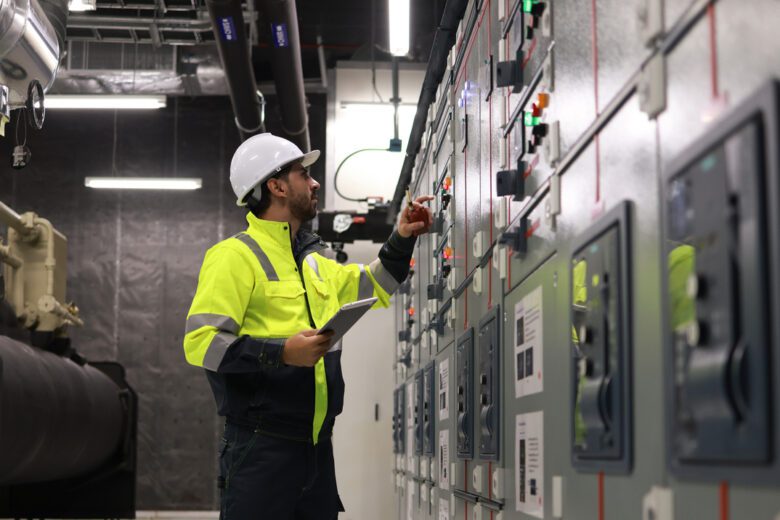
Texas is defined by its scale, its dynamism, and its relentless pace of development. For facilities, operations, and public works leaders across the Lone Star State, these characteristics bring with them an enormous responsibility: managing the critical infrastructure that powers our communities and commerce. The foundational strategy for meeting the demands of a growing region while ensuring operational resilience lies squarely in sophisticated energy management. This isn’t just about reducing a utility bill; it’s about embedding intelligence into every facet of a building’s operational life, turning energy usage from a passive cost into an active tool for long-term strategic advantage.
The Practical Reality of Texas Energy Management
In Texas, the conversation around energy management is fundamentally different than in other regions. We operate within a largely independent power grid, which means local responsibility for resilience and efficiency is paramount. Leaders in public agencies and industrial sectors must treat power not as an infinite resource, but as a critical, finite input that requires constant, intelligent oversight. This grounded reality requires a practical approach that blends technological insight with deep operational experience.
Effective energy management begins not with installing new hardware, but with comprehensive energy auditing and analysis. Before spending a single pound on new systems, facility managers need to understand the ‘as-is’ state: where energy is currently being consumed, where it is being wasted, and the specific equipment driving peak demand charges. This means looking closely at HVAC systems, lighting schedules, motor loads in industrial settings, and identifying phantom energy drain. An authoritative approach demands an honest assessment of current deficiencies. It requires leveraging smart metering and advanced analytics to create a detailed, real-time map of consumption, transforming raw data into actionable insights for the team on the ground.
Once the baseline is established, the first practical steps toward modern energy management often involve low-cost or no-cost measures. These include fine-tuning building automation systems (BAS) schedules, recalibrating thermostats, optimizing boiler and chiller operations, and simply ensuring that standard maintenance practices are rigorously followed to prevent degradation of performance. These foundational steps ensure that the expensive technology deployed later will be integrated into an already efficient operational environment.
Modernisation Through Intelligent Infrastructure
The shift from simple efficiency to true infrastructure modernisation requires leveraging technology to make facilities smarter and more adaptable. This is where advanced energy management techniques begin to drive significant long-term value.
One of the most visible and fastest-returning investments in modern energy management is the transition to LED lighting solutions. For public agencies and commercial operations, switching out outdated fixtures for high-efficiency LEDs is a foundational step. But it goes beyond replacing bulbs. Modern systems incorporate daylight harvesting sensors and occupancy controls that automatically dim or switch off lighting based on natural light levels and room usage. This integration of intelligence ensures that energy is only consumed precisely when and where it is needed. This is a practical, people-centred solution: better, clearer light quality for occupants, coupled with significant, measurable energy savings for the balance sheet.
Beyond lighting, robust energy management requires looking at the building envelope. This includes evaluating insulation, ensuring windows are sealed, and deploying advanced building automation systems (BAS). The BAS acts as the central nervous system of the facility, integrating lighting, HVAC, security, and utility metering into a single platform. A sophisticated BAS allows operators to use predictive analytics, learning a building’s thermal properties and anticipating cooling or heating needs before the peak demand period hits. This anticipatory approach is critical for smoothing out energy consumption curves and mitigating those punishing peak-demand charges common in high-growth Texas markets. The goal is to move beyond reactive maintenance to proactive energy management, giving operations leaders ultimate control over their environment and their costs.
The Strategic Value of Decentralised Energy Management
As infrastructure evolves, the concept of energy management must expand beyond the four walls of the facility to include distributed energy resources (DERs). For Texas organisations partnering with public agencies and utilities, solar energy and energy storage are becoming strategic assets, not just environmental statements.
Solar photovoltaic (PV) lighting and power solutions are proving particularly valuable in infrastructure modernisation. For remote sites, parking facilities, or public pathways, solar lighting provides a reliable, autonomous power source, eliminating the need for expensive trenching and grid connection upgrades. This is a forward-thinking component of energy management that focuses on resilience and decentralized operation. It is inherently practical: providing consistent, reliable illumination without adding strain to the central grid or incurring ongoing utility costs.
Furthermore, integrating Battery Energy Storage Systems (BESS) into a facility’s energy management strategy offers profound flexibility. BESS allows large commercial and industrial users to store cheaper off-peak electricity and discharge it during high-cost peak hours. This practice, known as peak shaving, can dramatically reduce monthly utility bills and offers a measurable return on investment. Beyond cost savings, energy storage enhances operational resilience, providing critical backup power to support essential functions during grid instability or unforeseen events. For public works leaders, this redundancy is paramount to maintaining essential community services. This level of self-sufficiency within energy management is a sign of true infrastructure maturity.
Leadership, People, and the Human Element in Energy Management
Ultimately, the most sophisticated technology is useless without the right leadership and the buy-in of the people operating it. The best energy management solutions are those that are people-centred, meaning they are designed to be practical, intuitive, and supported by a culture of efficiency.
Leaders must champion a forward-thinking philosophy that views energy efficiency as an investment in the organisation’s future, not just a line-item expense. This involves training facility teams not just on how to operate new systems, but on why they are operating them in specific ways. If the maintenance staff understands how a slight change in an air handler’s speed translates into substantial savings, they become active partners in the energy management process. This empowers the people closest to the infrastructure to make informed, real-time decisions that support the strategic goals of the company or agency.
For managing partners and operations directors, embedding a philosophy of intelligent energy management is a hallmark of sustainable leadership. It demonstrates fiscal responsibility by reducing overhead, environmental stewardship by lowering consumption, and operational professionalism by enhancing system reliability. By blending real field experience—the practical knowledge of how things actually work under a Texas sun—with long-term strategy, leaders ensure that every dollar spent on infrastructure delivers the maximum possible return. This commitment to efficiency is what builds the lasting trust and credibility necessary for public and private partnerships across the state. The goal is clear: build robust, resilient, and intelligent infrastructure that can handle the demands of Texas’s future growth, and that starts with proactive, people-centred energy management.
The Texas Imperative: Strategic Energy Management for Public Works Leaders Powering Growth: Practical Strategies for Intelligent Energy Management Beyond the Bill: Leadership and Resilience in Energy Management for Texas Operations
Kristi Villanueva is Managing Partner of Tru-Matrix Contracting Services LLC, a Texas-based electrical and energy efficiency contractor. She serves on multiple Texas boards and commissions, helping communities modernise infrastructure through local collaboration and sustainable leadership.