
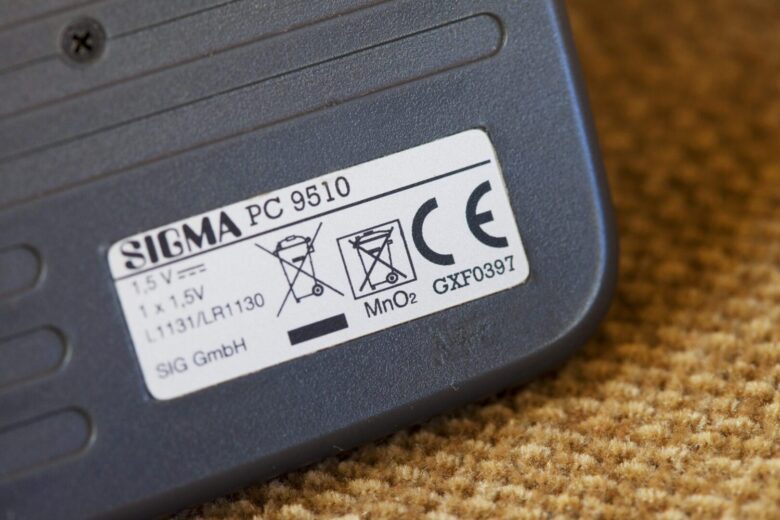
The global marketplace operates on a foundation of trust and standardisation, ensuring that products moving across borders meet stringent safety and quality criteria. Central to this framework within the European Economic Area is the implementation of CE marking. This symbol serves as a vital declaration by a manufacturer that a product conforms to all relevant European health, safety, and environmental protection legislation. Obtaining CE marking is not merely a bureaucratic hurdle but a fundamental strategic requirement for any business wishing to access one of the world’s largest and most lucrative trading blocs. By understanding the multi-faceted reasons for pursuing this certification, manufacturers can better navigate the complexities of international trade and consumer protection.
At its core, the primary driver for CE marking is legal compliance. For a vast array of product categories—ranging from medical devices and electronic equipment to toys and construction materials—affixing the mark is a mandatory legal requirement. Operating without CE marking when it is required can lead to severe legal repercussions, including heavy fines, product recalls, and the total ban of the product from the market. The legal framework is designed to create a level playing field where all participants adhere to the same high standards, ensuring that competition is based on innovation and efficiency rather than a race to the bottom in terms of safety.
The concept of the Single Market is perhaps the most significant economic advantage of CE marking. Before the harmonisation of these standards, manufacturers often had to navigate a patchwork of different national regulations for every country they wished to enter. This fragmentation created significant barriers to trade, increased costs, and slowed down the speed at which products could reach consumers. With CE marking, once a product has been certified as compliant, it can be traded freely throughout the European Economic Area without being subject to additional national technical requirements. This creates a massive internal market, allowing businesses to scale their operations and reach hundreds of millions of potential customers with a single, unified compliance strategy.
Consumer safety remains the ethical and practical heart of the CE marking process. The rigorous assessment procedures required to achieve the mark ensure that products are designed and manufactured to minimise risks to the user. Whether it is ensuring that electrical components do not pose a fire hazard or that children’s toys are free from toxic substances, the standards underpinned by CE marking provide a robust safety net. This commitment to safety builds immense brand trust. In a modern retail environment where consumers are increasingly aware of product origins and safety standards, the presence of CE marking acts as a visual shorthand for reliability and quality. It reassures the buyer that the item in their hands has undergone thorough evaluation and meets internationally recognised safety benchmarks.
The technical documentation required for CE marking is an invaluable asset for the internal quality management of a company. To qualify for the mark, a manufacturer must compile a comprehensive technical file that outlines the design, manufacture, and operation of the product. This process often uncovers inefficiencies or potential points of failure that might have otherwise gone unnoticed. By formalising these procedures, companies often see an improvement in their overall manufacturing consistency and a reduction in product defects. Therefore, the journey toward CE marking is as much about internal refinement as it is about external certification. It encourages a culture of excellence and a systematic approach to risk management that benefits every level of the organisation.
Furthermore, CE marking serves as a powerful tool for risk mitigation and liability protection. In the unfortunate event of a product failure or an accident involving a consumer, having the appropriate CE marking documentation provides a strong defence. It proves that the manufacturer exercised due diligence and followed all prescribed safety standards during the development phase. Without this evidence of compliance, a business is significantly more vulnerable to litigation and reputational damage. The investment in CE marking is, in many ways, an insurance policy that protects the long-term viability of the brand and its financial stability.
The environmental aspect of CE marking has grown in importance as global focus shifts toward sustainability. Many of the directives associated with the mark include requirements for energy efficiency, the restriction of hazardous substances, and the recyclability of components. By adhering to these standards, manufacturers contribute to a more sustainable industrial ecosystem. CE marking ensures that products are not only safe for the individual user but also less damaging to the planet throughout their lifecycle. This environmental compliance is increasingly becoming a requirement for government tenders and corporate procurement policies, making it a critical factor for business growth in the modern green economy.
Market access beyond the borders of Europe is another indirect benefit of CE marking. Because the standards required for the mark are so high and are developed in collaboration with international experts, many countries outside the European Economic Area recognise CE marking as a benchmark of quality. In some cases, having the mark can simplify the process of entering other global markets, as the technical documentation and testing results may be accepted or used as a basis for other local certifications. This makes CE marking a versatile tool for any company with global ambitions, providing a solid foundation for international expansion.
The process of achieving CE marking also fosters innovation. Contrary to the idea that regulation stifles creativity, the clear parameters set by European directives provide a framework within which engineers and designers can innovate safely. Knowing exactly what the safety and performance requirements are allows for more focused research and development. It prevents the waste of resources on designs that would ultimately be unmarketable due to safety concerns. In this sense, CE marking directs creative energy toward viable, high-quality solutions that have a guaranteed path to market.
Interoperability is a further technical advantage facilitated by the standards associated with CE marking. In sectors like telecommunications and electronics, harmonised standards ensure that products from different manufacturers can work together seamlessly. This interoperability is essential for the functionality of modern infrastructure and the convenience of consumers. By participating in the CE marking system, manufacturers ensure their products are compatible with a wide array of existing technologies, which significantly broadens their utility and appeal to the end user.
The transparency provided by the CE marking system is beneficial for the entire supply chain. Distributers, retailers, and importers have a clear responsibility to ensure that the products they handle carry the correct markings. This creates a chain of accountability that protects every participant in the transaction. When a retailer sees the CE marking on a shipment, they can be confident that the manufacturer has taken responsibility for the product’s compliance. This reduces the administrative burden on distributors and speeds up the movement of goods from the factory floor to the retail shelf.
In the context of public procurement, CE marking is almost universally a prerequisite. Local authorities, healthcare systems, and government agencies require the highest levels of safety and performance assurance when spending public funds. For a business to be eligible for these large-scale contracts, having the correct CE marking is non-negotiable. This opens up vast opportunities for stable, long-term revenue streams that are often shielded from the fluctuations of the general consumer market.
The educational value of the CE marking directives cannot be ignored. The legislation is often accompanied by detailed guidance documents that reflect the latest scientific and technical knowledge. By engaging with the requirements for CE marking, small and medium-sized enterprises gain access to a wealth of expert information that might otherwise be out of reach. This knowledge transfer helps smaller firms compete with larger corporations by adopting best practices in safety and design.
The digital transition has also influenced the way CE marking is managed. Many modern directives now incorporate requirements for digital documentation and software safety, reflecting the reality of the internet of things and artificial intelligence. By staying current with the evolving requirements of CE marking, companies ensure they are prepared for the future of industry. The mark is not a static requirement but a living standard that evolves to meet new challenges, and being part of this system keeps a business at the cutting edge of technological regulation.
Ultimately, the decision to pursue CE marking is a statement of intent. It signals to the world that a company is committed to excellence, safety, and the highest professional standards. It removes the barriers to one of the world’s most significant economic zones and provides a robust framework for product development and risk management. While the process requires time, effort, and investment, the long-term benefits of CE marking in terms of market access, brand reputation, and consumer safety make it an essential component of a successful modern business strategy. Whether a company is producing a simple toy or a complex piece of industrial machinery, the presence of CE marking remains the gold standard for market entry and consumer trust in the European landscape and beyond.