
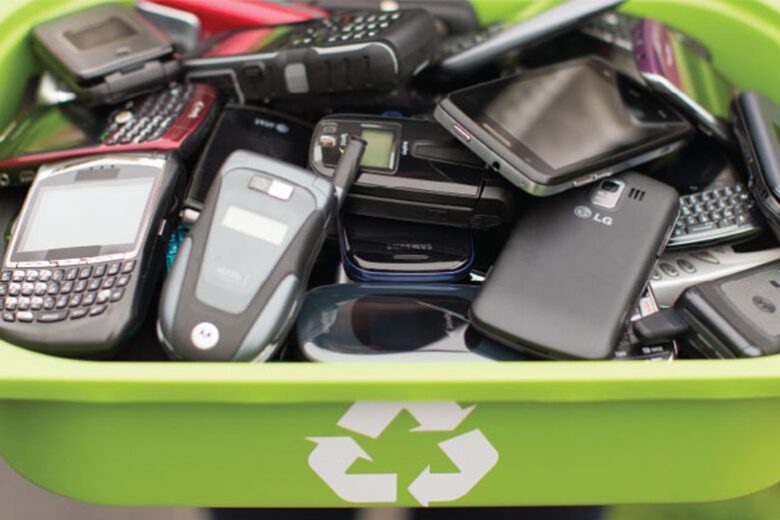
In the relentless cycle of corporate technology upgrades, the fate of the old mobile phone handset is often a quiet tragedy. A device that once served as a vital communications hub for a sales director, a project manager, or a field engineer is, upon retirement, relegated to a dusty desk drawer, a forgotten locker, or a chaotic box in the IT storeroom. For many UK companies, the process of managing a fleet of phones is a linear one: purchase, deploy, support, and then, eventually, replace. But what happens at the end of that line is where significant value is either captured or lost. The launch of a dedicated business phone buyback and recycling service by SellMyPhone.co.uk highlights a growing recognition that these retired assets are not simply electronic waste; they are a source of untapped capital. For organisations looking to sell mobile phones in bulk, the modern approach is no longer about individual trade-ins but about a strategic, streamlined process that prioritises both financial return and environmental responsibility. The key to this transformation lies in embracing a systematic approach to bulk phone recycling.
The challenge for most businesses is not a lack of desire to do the right thing, but a lack of a practical, scalable solution. When a company upgrades its entire mobile fleet, it is not dealing with one or two devices. It is dealing with dozens, hundreds, or even thousands of handsets. The administrative burden of checking each device, wiping data, assessing condition, and then finding a buyer is immense. This is precisely why the concept of bulk phone recycling has moved from a niche activity to a core business process. Instead of treating each handset as an individual transaction, companies can now submit a single bulk enquiry for their used company phones. This shift in approach transforms a logistical headache into a straightforward revenue stream. The service offered by SellMyPhone.co.uk is designed specifically for this reality, providing a dedicated route for organisations that need to manage larger batches of devices, from fleet phone recycling to corporate phone trade-in.
The financial implications of ignoring this process are significant. Many finance teams view old company phones as a sunk cost, an asset that has been fully depreciated and now holds no value. This is a costly misconception. Even a device that is several generations old, with a cracked screen or a worn battery, retains residual value in the secondary market. Components can be harvested, devices can be refurbished for emerging markets, and precious metals can be recovered. By engaging in bulk phone recycling , finance teams can directly recover value from old assets, turning what was once considered admin clutter into a tangible contribution to the bottom line. This is not just about getting a few pounds for a single phone; it is about aggregating the value of an entire fleet. The difference between a company that sells its 200 retired iPhones individually on a consumer site and one that uses a dedicated B2B service for bulk phone recycling can be thousands of pounds, not to mention the countless hours of staff time saved.
For IT teams, the benefits are equally compelling. A mobile fleet refresh is a complex project involving procurement, deployment, configuration, and user training. The final, often overlooked, phase is the decommissioning of the old devices. This is where data security becomes paramount. A company phone contains a wealth of sensitive corporate information, from emails and client contacts to proprietary documents and access credentials. Simply factory resetting a device is not always sufficient to guarantee data erasure. A professional bulk phone recycling service provides a certified, auditable process for data destruction, giving IT managers the peace of mind that no corporate data will leak into the wrong hands. This service is not just about disposal; it is about secure asset lifecycle management. By partnering with a specialist, IT teams can ensure that every device is properly wiped, logged, and processed, creating a clear chain of custody that satisfies internal governance and external regulatory requirements.
The environmental argument for bulk phone recycling is perhaps the most compelling of all. The UK generates a staggering amount of electronic waste every year, and mobile phones are a significant contributor. The manufacturing of a single smartphone requires the extraction of rare earth minerals, significant water usage, and a considerable carbon footprint. When a phone is thrown into a general waste bin or left to languish in a drawer, all of that embedded energy is lost. Furthermore, the toxic components within the battery and circuit board can leach into the soil and water if the device ends up in a landfill. By choosing a responsible route for bulk phone recycling , businesses are actively participating in a circular economy. They are ensuring that valuable materials like gold, silver, copper, and palladium are recovered and reused, reducing the demand for new mining. They are also giving functional devices a second life, either through refurbishment for resale or by donating them to educational or charitable causes. This aligns perfectly with the growing corporate focus on Environmental, Social, and Governance (ESG) goals.
The scope of organisations that can benefit from this service is remarkably broad. It is not just large corporations with thousands of employees. Schools and public sector organisations, which often operate on tight budgets, can find significant value in recycling work phones that are no longer needed. A school that has upgraded its administrative staff’s handsets can use the proceeds from bulk phone recycling to fund other essential resources. Similarly, businesses that are replacing staff iPhones, Samsung phones, or Google Pixel devices on a regular cycle can now do so with a clear end-of-life plan. The service is also ideal for organisations that have simply accumulated a stockpile of unused company handsets over the years. Perhaps a merger left the company with duplicate devices, or a project that required temporary phones has concluded. Instead of these devices gathering dust, they can be converted into cash through a single, efficient transaction.
The process itself is designed to remove friction. Instead of the cumbersome task of listing individual phones on auction sites or dealing with unreliable buyers, a business can request a quote for their entire batch. The service provides support for managing larger batches of devices, which is crucial for companies that do not have the internal resources to sort, test, and package hundreds of phones. This support can include guidance on how to prepare the devices for shipping, bulk collection options, and a transparent pricing model that reflects the true market value of the devices. The goal is to make bulk phone recycling as simple as possible, allowing businesses to focus on their core operations while a specialist handles the complexities of the secondary market. As Jake Simmons, Head of Business at SellMyPhone.co.uk, aptly notes, old company phones are often treated as admin clutter, but they can still have real residual value. The launch of this dedicated B2B service is a direct response to the need to unlock that value in a professional, secure, and efficient manner.
For companies that are planning a mobile fleet refresh, the timing of this service is ideal. The traditional approach has been to view the old phones as a problem to be solved after the new ones are deployed. This often leads to a chaotic scramble, with devices being handed out to staff as personal spares or simply forgotten. A more strategic approach is to plan the disposal of the old fleet in parallel with the acquisition of the new one. By integrating bulk phone recycling into the procurement cycle, businesses can create a seamless asset management loop. The revenue generated from the old devices can even be used to offset the cost of the new ones, creating a more sustainable financial model. This is a far cry from the old way of thinking, where the residual value of a phone was considered negligible.
The launch of this service also signals a maturation of the UK’s mobile phone recycling market. While consumer-focused trade-in services have been around for years, the B2B sector has often been underserved. Businesses have unique needs: they require volume handling, data security guarantees, transparent pricing, and a single point of contact for large transactions. The new service from SellMyPhone.co.uk addresses these needs directly, offering a dedicated route for company mobile disposal and business handset trade-ins. It acknowledges that a company selling 500 phones is a fundamentally different customer from an individual selling one. The pricing, logistics, and support structure must all be tailored to the corporate environment. This is the essence of a modern bulk phone recycling service: it is not just a transaction; it is a partnership designed to maximise value and minimise hassle.
In conclusion, the question of what to do with old mobile phone handsets after an upgrade is no longer a trivial one. It is a strategic business decision with financial, environmental, and security implications. The days of letting retired devices gather dust in a drawer are over. UK companies now have access to a professional, dedicated service that can turn a logistical burden into a profitable and responsible outcome. By embracing bulk phone recycling , businesses can recover significant value from their retired assets, ensure the secure destruction of sensitive data, and contribute to a more sustainable circular economy. Whether it is an IT team managing a fleet refresh, a finance team recovering asset value, or a public sector organisation clearing unused handsets, the path forward is clear. The old company phone is not clutter; it is capital waiting to be unlocked. The smartest businesses are already making the call to request a quote and turn their retired mobile fleet into a new source of revenue. The process is simple, the benefits are substantial, and the time to act is now.