
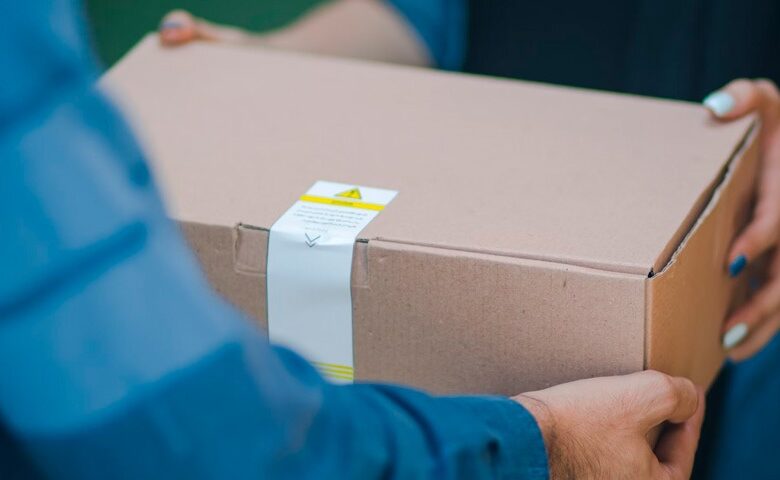
People expect different things after clicking “buy” when they shop online. The buyer wants to know exactly where their package is, when it will arrive, and if anything went wrong along the way. The purchase is no longer the end of the transaction. there is now a waiting period. Today, real-time tracking of packages has become one of the most sought-after aspects of delivery. This is also why services like Itella tracking have become so popular with buyers who want to know when their order leaves the warehouse until it arrives at their door.
From passively waiting to actively keeping an eye on things
Ten years ago, tracking a package generally meant looking at a single update once a day, at most. People who bought something would get a dispatch receipt and then not hear anything else until the item arrived, or even worse, until it didn’t arrive. This lack of information caused stress, especially when buying things that needed to be done quickly or were valuable. People who buy things today expect regular, detailed information. Platforms that provide this, such as Itella tracking, have raised the bar for what “good service” means.
The cool thing about real-time tracking is that it can make something inactive into something active. Instead of guessing where a package is, buyers can open an app or website to see exactly where it is, who is handling it, and an estimate of when it will arrive that changes as conditions do. The change from passively waiting to actively monitoring has completely changed what buyers expect, and tools like Itella tracking are now essential for meeting those needs.
Getting rid of stress and building trust
One of the main psychological reasons why real-time Itella tracking is so common is that it helps people feel less anxious. Uncertainty is unpleasant, and not knowing when a package will arrive or if it has been lost can really be stressful, especially when it comes to gifts, medical items, or deliveries that are important for business. Real-time tracking takes away a lot of this doubt by constantly letting buyers know that their item is moving along as planned.
Giving this reassurance makes people trust both the courier and the store. If a customer uses a service like Itella tracking and always sees correct information, they start to trust the store that used that service. It’s hard to gain and easy to lose this kind of trust, so stores that work with reliable tracking systems often see a direct increase in customer loyalty and repeat business.
Comfort and Power Over Everyday Life
Real-time tracking also gives buyers a useful benefit: they can set their own plans. Not knowing “sometime today” but knowing a specific window for when a package will arrive lets people plan their day better. If their plans change at the last minute, they can plan to be home to receive the package, ask a neighbour to do so, or send it to a different location where it can be picked up.
Platforms that give real-time updates, like Itella tracking, often let buyers change their delivery directions at the last minute. This could mean changing the delivery location, asking for a package to be left somewhere safe, or rescheduling for a better day. With this level of control, delivery stops being something the buyer just accepts and starts being something the buyer actively manages. This changes the balance of power between the courier and the customer in a big way.
Being Open When Things Go Wrong
Any delivery method isn’t perfect, and problems or delays will always happen, whether they’re caused by bad weather, traffic, too many packages, or just human error. What makes a tracking experience good or bad is not whether or not there are problems, but how clearly those problems are expressed. Buyers are willing to wait longer if they know why there was a delay and can see that steps are being taken to fix it.
Real-time tools, like Itella tracking, are great for this because they let you see what’s going on even after something goes wrong. These systems can flag the problem, explain the cause if possible, and give a new estimate so the buyer doesn’t have to guess why the package has stopped moving. This openness keeps anger from turning into complaints, and it shows that you value the buyer’s time and attention.
What role do alerts and proactive updates play?
Real-time tracking means that buyers can check a page whenever they want, and the platform can also reach out to them on its own. Buyers stay up to date without having to actively look for changes thanks to automated notifications that come in the form of text messages, emails, or app alerts. One thing that sets current tracking services apart from older, more static systems is that they communicate with you before you need to.
Itella tracking and other services use these alerts to mark important events like shipping from the warehouse, arriving at a nearby depot, being loaded onto a delivery vehicle, and the final delivery. Every one of these updates gives the buyer a sense of progress and momentum, making them feel like their package is slowly making its way to them instead of just sitting there in limbo.
Getting Ready for What a Connected Generation Wants
People today are used to getting information right away in almost every part of their lives, from seeing where a car is right now to seeing how their food order is going. This shift in culture toward speed has naturally spread to package deliveries. For people who grew up with smartphones and always being online, it’s strange and even annoying when a delivery service app doesn’t have as much information as other apps they use every day.
This is exactly why platforms that let you watch things in real time, like Itella tracking, have become so popular. They meet buyers where they are, on their phones, checking for updates while doing other things. They don’t make them call customer service or wait for an email that might or might not come on time. Having tracking information close at hand, updated instantly, and simple to understand fits perfectly with how people use technology these days.
The Business Case for Tracking in Real Time
Some people like real-time tracking because it makes the buying experience better for them, but retailers and couriers should also use these systems for business reasons. When buyers feel informed, they are less likely to call customer service in a panic to find out where their package is, which lowers the costs of doing business. Less help tickets mean lower costs and a better experience all around.
Also, tools like Itella tracking often produce useful information that companies can use to make their logistics better. To improve service in the future, patterns in delivery times, typical reasons for delays, and courier performance can all be looked at. In this way, better tracking leads to better logistics, which in turn makes tracking even more accurate over time.
In conclusion
The rise of real-time tracking for packages shows how buyers’ expectations of the delivery process have changed in general. Buyers today aren’t happy just sitting back and waiting for their packages to come; they want to be able to see, control, and be sure of everything at every step of the way. This need has been met by platforms like Itella tracking, which offer constant updates, proactive alerts, and clear communication when problems happen. Because of this, the delivery process feels less like a leap of faith and more like a well-planned and educated one. As customer standards keep going up, real-time tracking will no longer be just a nice-to-have, it will become an important part of modern retail logistics.